

2 minute read time
“Oh you put a volt stick in a glove, neat”
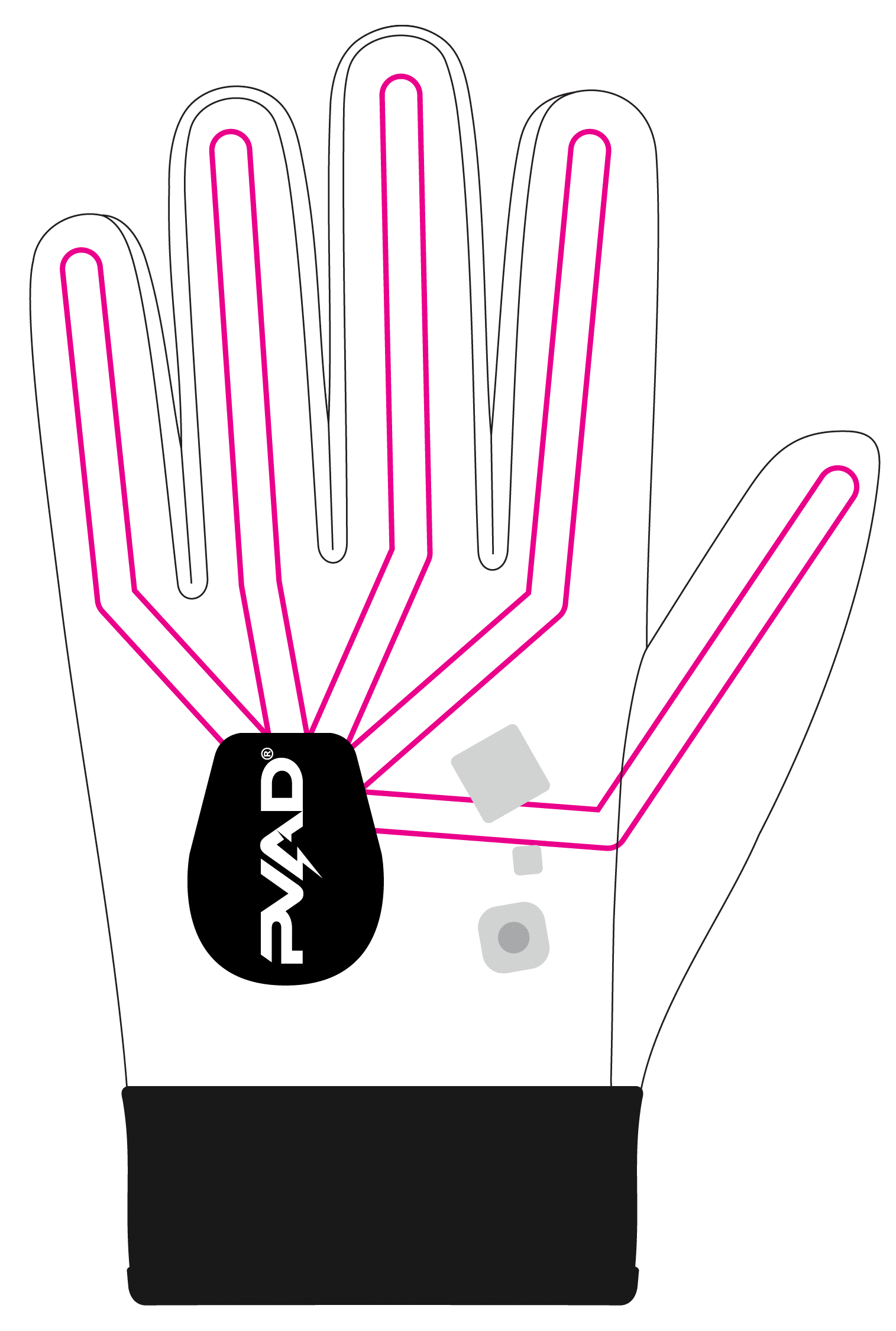
We’ve heard it plenty of times, and they’re on the right track. PVAD and volt sticks work similarly, but what’s more accurate is we put five volt sticks in a glove (one for every finger).
So, how did we do it? Keep reading to understand how we made the electricity detecting gloves – Komodo Vigilant® PVAD® Tech Gloves – work.
Simply put, there’s an invisible electric field that surrounds live wires, and non-contact voltage detectors have a sensor that picks up this field.
Now here’s the interesting part: detectors typically work best when held because the human body acts as a reference point to ground. But your body can also interfere with detection, simply by holding the pen wrong. So basically you have to hold it exactly right or risk it not working properly, it’s a delicate balancing game that’s super easy to get wrong.
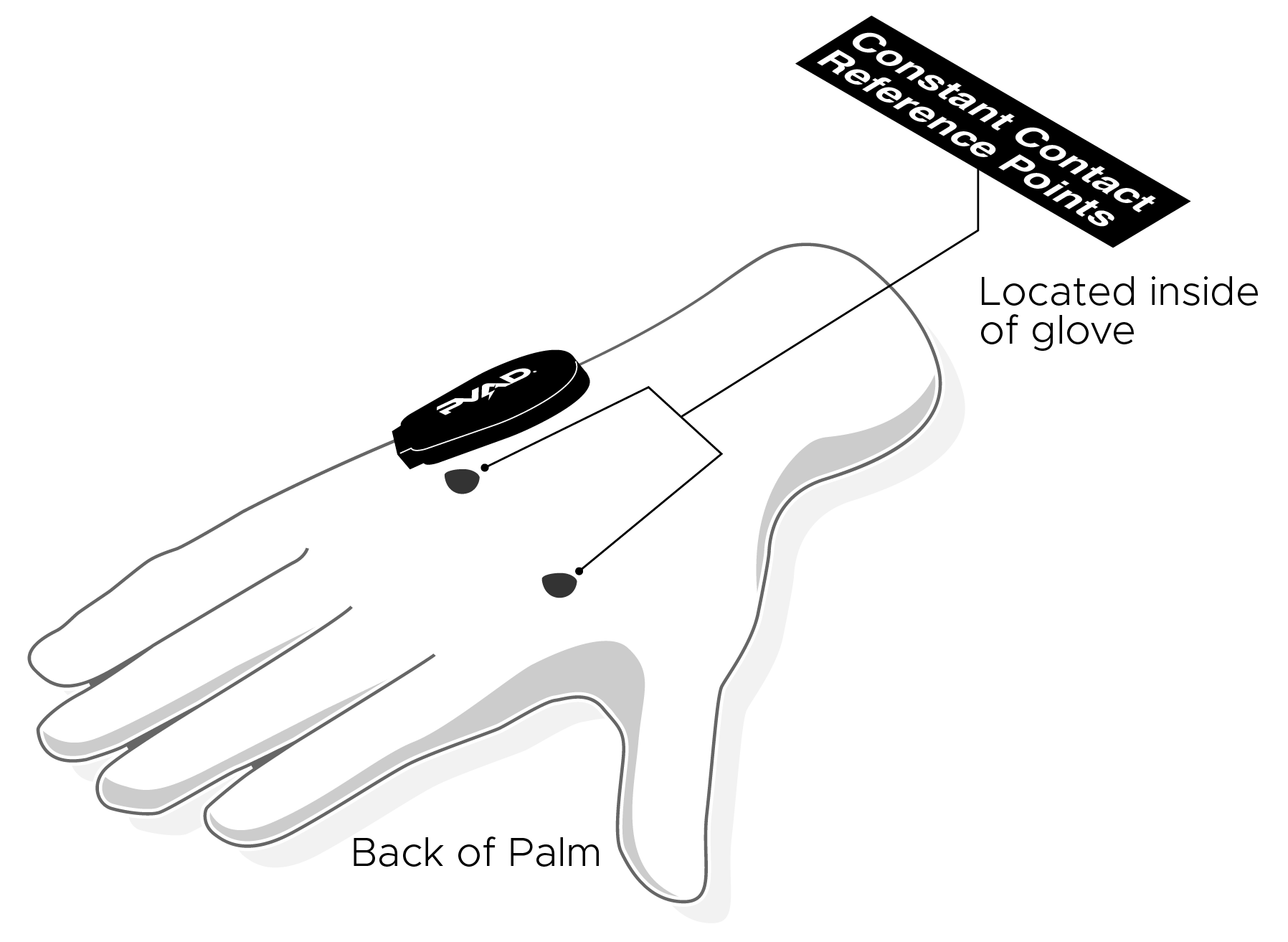
The PVAD Glove uses a dielectric material that minimises the body’s potential to interfere. PVAD also doesn’t rely on the user holding anything correctly to create a ground reference point. Instead, PVAD features a constant contact reference point inside the glove.
This design helps to regulate the body’s effect and limits user behaviour from disrupting the detection technology.
PVAD has sensors in each finger of the glove that detect the invisible RF signal that an A/C electrical circuit sends out. No active draw (amperage) is needed to detect the signal, only active voltage is required.
With detectors in all 5 fingers, PVAD is literally electricity detection at your fingertips.